
© Roosa-Maria Kauppila
Jyväskylä Festival
Jyväskylä Festival (Jyväskylän Kesä) is the oldest continuously organised city festival in the Nordic countries. Founded in 1955, it quickly became one of the most significant summer festivals in Europe. Over the decades, Jyväskylä has hosted some of the world's leading composers, architects, musicians, filmmakers, philosophers, researchers, dancers and theatre makers. Since its inception, the festival has been centred on high-quality artistic content, showcasing new works and creators, addressing societal themes, and engaging audiences through a participatory approach.
The 2027 edition takes place on 7–13 July 2027 under the theme Heritage (perintö). The festival looks at what we inherit, what we choose to keep and what we pass on, through music, theatre, dance, circus, visual arts and public discussion.
Return to the City Theatre
After several years of renovation, the festival returns to the Jyväskylä City Theatre, for decades the home stage of its international non-verbal theatre programme: mime, clowning, physical theatre and new circus that speak across languages. The 2027 programme brings this tradition back to both of the theatre's stages.
A festival inside a World Heritage site
In 2026, UNESCO inscribed the Aalto Works on the World Heritage List, including Säynätsalo Town Hall, the Muuratsalo Experimental House and the University of Jyväskylä campus. Alvar Aalto took part in the festival himself, and many of its concerts and discussions take place in Aalto's buildings. In 2027, the festival invites audiences to experience this architecture as a living venue, not only as a monument.
For everyone in the city
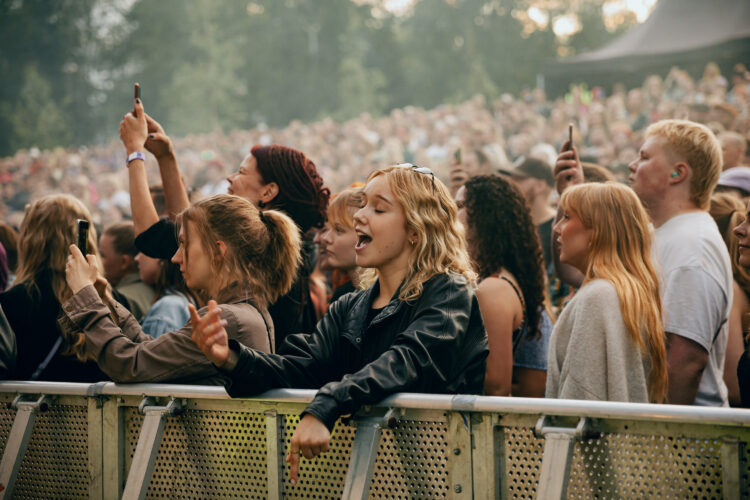
The week opens with a symphonic opening concert with Jyväskylä Sinfonia and continues with concerts, theatre, public discussions at the university, children's programme in the city parks, free museum and gallery visits for festival visitors, and the two-day Puistojuhlat park festival on 8-9 July. A new online history archive, built from 70 years of festival programmes, opens in autumn 2026 and connects the 2027 theme to the festival's own past.
The full programme will be published in spring 2027.
Practical info

Pricerange per day

Accommodation

Food

Main target group

Directions & transport

Surroundings

Average attendence per day

Art disciplines