[Zoom-in] Accessible Festivals: Making culture open to everyone
Access to culture means more than opening the doors of a theatre, cinema or concert hall. It also means considering who can enter those spaces, who feels represented within them, and who may still be excluded by physical, geographical, social or sensory barriers. Across Europe and beyond, festivals are increasingly rethinking accessibility by bringing performances into public spaces and remote communities, developing programmes for different generations and abilities, amplifying underrepresented voices, and creating more welcoming ways of experiencing art. From contemporary theatre in Latvia to mobile performances along the Turkish-Syrian border, these five festivals demonstrate how cultural participation can take many forms, and how festivals can help make artistic experiences genuinely open to everyone.
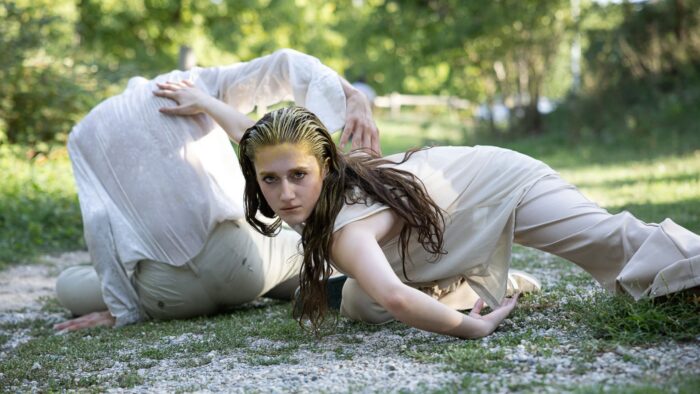
Mirabilia International Performing Arts Festival
7 June - 27 September 2026
Alba, Busca, Chiusa di Pesio, Dogliani, Rittana, Savigliano, Vernante, Italy.
Rather than asking audiences to travel to a single cultural centre, Mirabilia brings contemporary performing arts directly into different communities across the Italian region of Piedmont. Its travelling format transforms cities, squares, parks, industrial sites and unconventional spaces into temporary stages, presenting more than 200 performances by over 50 Italian and international companies. Contemporary circus, theatre, dance and site-specific works therefore become part of everyday urban and public life, reaching audiences beyond conventional cultural venues. This decentralised approach makes geographical accessibility central to the festival’s identity, while its openness to different generations, cultural backgrounds and artistic languages further broadens participation. By connecting international artistic creation with local communities and territories, Mirabilia demonstrates how accessibility can begin simply by bringing culture closer to where people already are.
Espoo Ciné
21 - 30 August 2026
Espoo, Finland
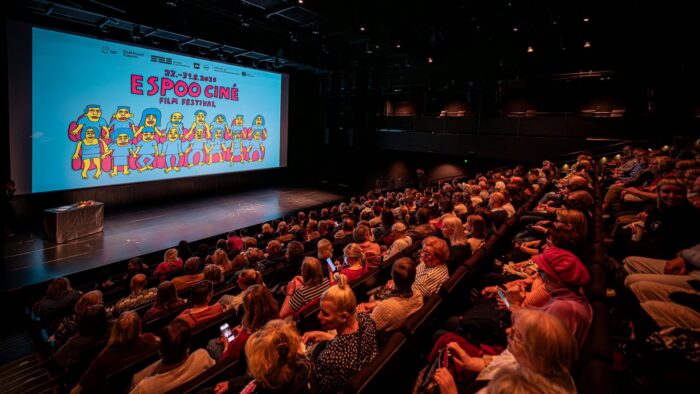
Espoo Ciné approaches accessibility through representation, participation and the diversification of whose stories appear on screen. Dedicated primarily to contemporary European cinema, the festival gives particular attention to minority perspectives alongside work by both established filmmakers and emerging talents. Its Crip Ciné programme focuses specifically on disability on screen, creating visibility for experiences that have historically been underrepresented in mainstream cinema. Through Sinun Ciné (Your Ciné), the festival also supports emerging talents from different minority backgrounds, extending inclusion beyond audiences to cultural production itself. Meanwhile, Junior Ciné introduces cinema to children and younger audiences. Together, these initiatives demonstrate that making culture accessible is not only about enabling people to attend, but also about ensuring that different communities can recognise themselves and tell their own stories.
Flying Carpet Festival
21 August - 1 September 2026
Mardin, Türkiye
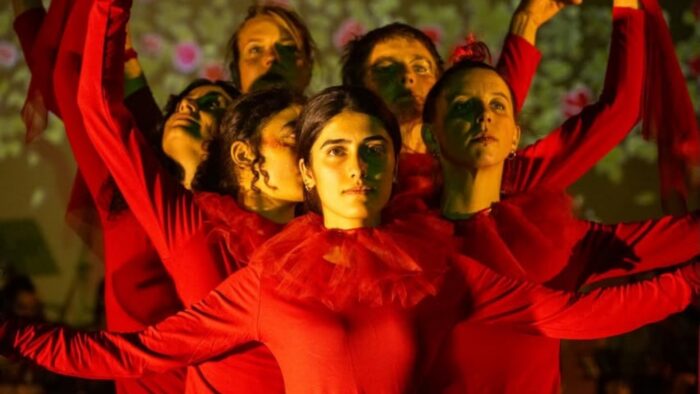
For the Flying Carpet Festival, accessibility begins with geography. Based in Mardin and travelling to remote villages along the Turkish-Syrian border, the festival brings artistic experiences directly to refugee and conflict-affected children who have limited access to conventional cultural institutions. In partnership with Sirkhane Social Circus School, its 2026 edition brings together 42 volunteer artists from 20 countries working across music, circus, puppetry, digital media and storytelling. Mobile performances travel beyond central Mardin on a portable platform, while participatory workshops in movement, music, visual arts, juggling and acrobatics use social circus practices to create supportive spaces for expression and connection. Crucially, children are not treated simply as spectators: local young people collaborate with visiting artists, bringing their own stories, imaginations and languages - including Arabic, Kurdish and Turkish -into the creative process.
Homo Novus Festival
3 - 13 Septembre 2026
Riga, Latvia
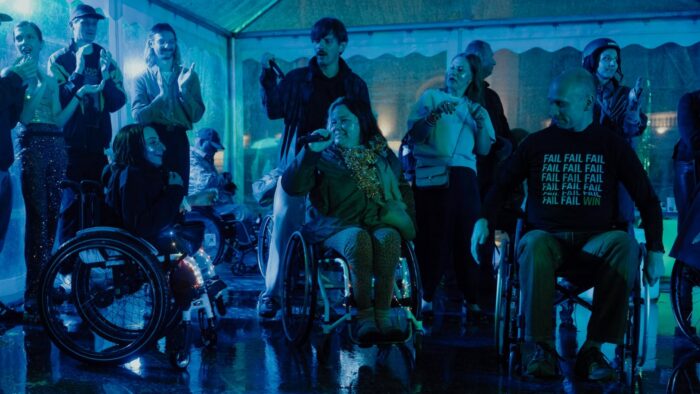
At Homo Novus, accessibility is closely connected to the idea of care. Latvia’s leading contemporary performing arts festival is approaching its 2026 edition through relaxation and slowing down, encouraging audiences and artists to experience performance through attentiveness rather than intensity or excess. Around twenty performances and performative events will explore tactile, spatial, immersive and sensory encounters, often using public and natural spaces to reconsider how people can experience contemporary art together. This curatorial approach is complemented by practical accessibility measures, including relaxed performances, quiet spaces and environments designed to welcome families and neurodiverse audiences. By recognising that conventional performance settings do not work equally well for everyone, Homo Novus broadens the idea of an accessible festival: inclusion becomes not an additional service, but part of how the artistic experience itself is imagined and organised.
BRIDGES International Film Festival – Corinth
19 - 25 October 2026
Corinth, Greece
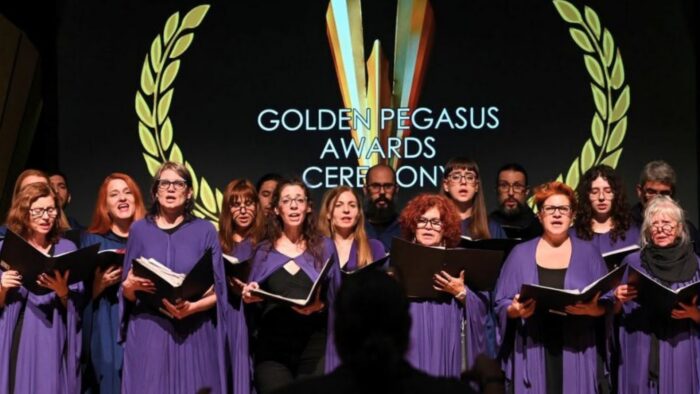
The BRIDGES International Film Festival uses cinema to create dialogue around communities and social issues that are not always equally visible on screen. Its international programme includes films addressing peace, the environment, diversity and gender equality, while its “We Can Do” section is specifically dedicated to films concerning disability. The festival also incorporates gender representation into its programming through initiatives developed with the Cyprus International Film Festival, including Women Films, highlighting works directed and/or produced by women, and 50/50, which promotes productions with an equal balance of men and women in their credits. By combining international cinema with programming centred on disability, gender and cultural diversity, BRIDGES treats the screen as a space in which different experiences can be recognised and shared.